I Survived Radiation
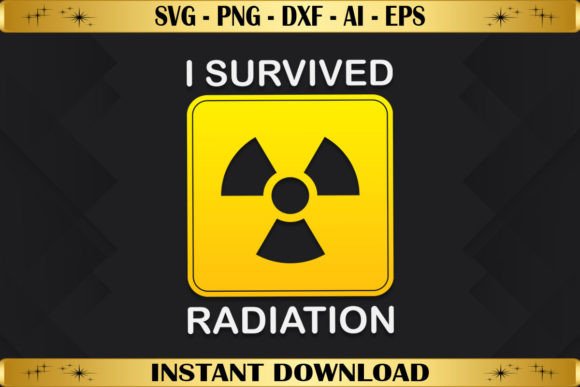
As a designer who’s worked with countless embroidery files, I always start by evaluating the mood and visual personality of a design before considering its practical use. I Survived Radiation has a strong, emotional tone that immediately communicates resilience and personal strength. The design is clean, straightforward, and carries a message that resonates on both a personal and commercial level.
The First Impression: Mood and Visual Personality
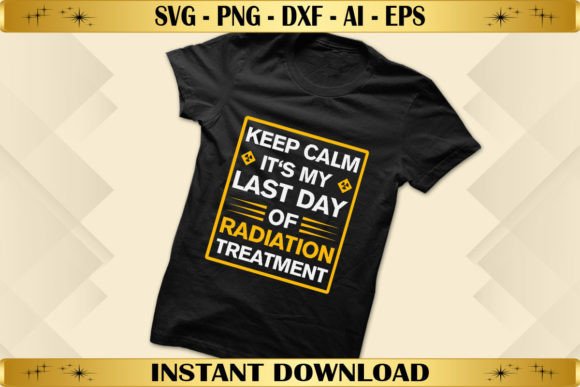
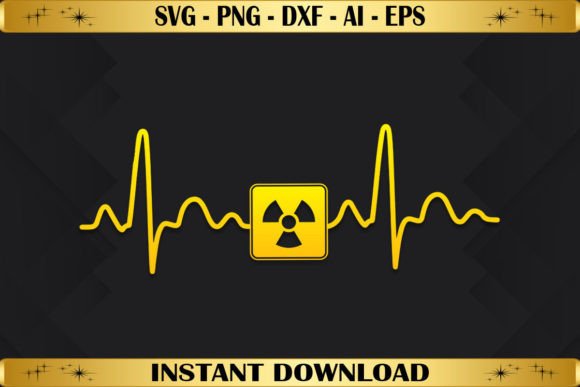
From the moment I opened the file, I was struck by how direct and impactful the design is. It doesn’t try to be overly complex or visually busy—it’s simple, yet powerful. The layout is well-balanced, with clear typography and a central icon that reinforces the message. This makes it ideal for projects where the message needs to be seen and understood at a glance.
The design’s minimalism also means it can work across a variety of fabrics and applications. Whether it’s on a tote bag, a sweatshirt, or a baby onesie, the design maintains its clarity and impact. It feels like a statement piece rather than just a decorative element, which is exactly what you want for a design that conveys such a strong message.
Real-Life Embroidery Use Cases
I Survived Radiation is versatile enough to fit into many different embroidery projects. For example, if I were creating a custom embroidered tote bag for a client, this design would be an excellent choice. It’s large enough to be visible but not so big that it overwhelms the fabric. The same applies to sweatshirts, where the design can be placed on the front or back without looking cramped or cluttered.
For baby items, the design could be used on onesies, blankets, or even a personalized nursery wall hanging. The clean lines make it suitable for delicate fabrics, and the message is something that could be meaningful for parents or caregivers. It also works well as an embroidered patch, especially for those looking to create custom patches for jackets, bags, or hats.
In a craft business or Etsy shop, this design could be a strong seller. It’s perfect for handmade products that need a personal touch. As a printable mockup, it allows sellers to showcase the design on different backgrounds before committing to production. The fact that it comes in multiple file formats—SVG, PNG, DXF, AI, EPS—makes it easy to adapt for different uses, whether for digital previews or actual embroidery files.
Where to Be Careful: Design Limitations
While I Survived Radiation is a solid design, there are some situations where it might not perform as well. For instance, if you’re working with small hoop sizes, the design may require multiple hooping steps, which can be time-consuming. It’s also important to consider the fabric type—if you’re working with thin or stretchy materials, the design might not hold up as well, especially if it includes dense stitch areas.
On dark fabrics, the design might need a white underlay or a different thread color to ensure visibility. If you’re planning to use it on a curved surface like a cap or a hat, you’ll need to adjust the design slightly to account for the curve. Tiny lettering or intricate details might also be challenging, depending on your machine’s capabilities.
Visual Appeal and Customer Perception
When it comes to visual appeal, I Survived Radiation is effective. It’s not overly detailed, which helps maintain clarity during the embroidery process. The design’s simplicity also makes it more versatile, allowing it to fit into a wide range of styles and aesthetics. Customers are likely to appreciate the directness of the message, which can add value to a handmade product or personalized gift.
From a branding perspective, this design can help reinforce a professional image. Whether you’re an Etsy seller or a small shop owner, having a design that clearly communicates a message can help build trust with your audience. It also adds a layer of authenticity, which is crucial for handmade and custom products.
Practical Designer Notes
Before using I Survived Radiation in any project, I recommend testing it on scrap fabric first. This will give you a better idea of how the design looks when stitched and whether it meets your expectations. Checking thread color contrast is also essential—especially if you’re using dark or light fabrics.
Reviewing the stitch density is another important step. If the design is too dense, it could cause puckering or distortion on certain fabrics. Confirming the correct hoop size is also key, as using the wrong size can affect the overall look and feel of the finished product.
Inspecting small details is crucial, especially if the design includes text or intricate elements. Testing it in black and white mockups can help you see how it translates without color. Comparing it on light and dark fabric backgrounds will also help you decide on the best thread colors and stabilizer types.
Using the right stabilizer is essential for ensuring the design stays in place during stitching. This is especially true for textured or stretchy fabrics. Finally, always check the licensing terms before selling finished items or digital products. While the files provided are print-ready, it’s important to confirm that they’re suitable for commercial use.
Final Thoughts: A Strong Choice for Many Projects
I Survived Radiation is a design that delivers on both emotion and functionality. It’s well-suited for a wide range of embroidery projects, from custom apparel to personalized gifts. Its clean layout and strong message make it a valuable addition to any designer’s toolkit.
Whether you’re an embroidery designer, a small business owner, or a craft enthusiast, this design offers a lot of potential. Just be mindful of the limitations and test it thoroughly before finalizing any project. With the right approach, I Survived Radiation can become a standout piece in your collection of machine embroidery designs.